
The Taste Never Changes, While the Neighborhood Evolves Carrying Forward the Light of Ichibanboshi
Published: October 14, 2026
※For this article, we conducted a follow-up interview and will focus on new initiatives and changes that have taken place since our previous coverage.
※Prices are subject to change from those in effect at the time of the interview. Please contact the store directly for the latest information.
Just a five-minute walk from Kiyosumi-Shirakawa Station.
Kiyosumi-Shirakawa has become one of Tokyo’s most popular neighborhoods, lined with cafés, bakeries and galleries.
In one corner of this ever-changing neighborhood stands Shitamachi Shokuraku Shubō Ichibanboshi, a restaurant that has been loved by local residents since it opened in 1999.
Kotomise has featured the restaurant twice before.
This time, we returned for our third interview because the restaurant’s evening service has taken on a new form.
“At night, it’s not really us anymore,” Miyazaki-san says with a smile at the beginning of our interview.
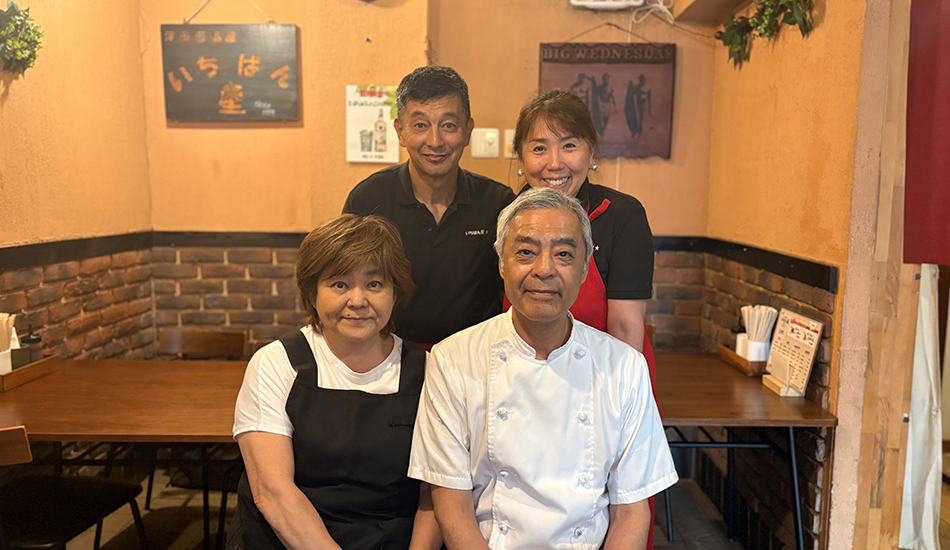
Miyazaki-san and his wife used to run the restaurant both during the day and in the evening. Since November 2025, however, the evening service has been taken over by the Kanekos, a couple who had been longtime customers of the restaurant.
We had come to hear about traditional Western-style dishes, but before long, the conversation had expanded to stories about old Kiyosumi-Shirakawa, local festivals, the neighborhood and even their favorite drinks.
What emerged from this lively, laughter-filled interview was the appeal of Shitamachi Shokuraku Shubō Ichibanboshi—not only as a place to eat, but as a place where people connect.
Traditional Western-Style Cuisine That Has Stayed the Same
The restaurant’s concept is “traditional Western-style cuisine.”
At lunchtime, the restaurant welcomes people working nearby as well as regular customers from the neighborhood.
Among the most popular dishes are pork sauté, omurice with hayashi sauce and fried shrimp.
These are all familiar dishes at a Western-style restaurant, but at a restaurant that has been around for so long, they carry a certain nostalgia—the feeling of, “I think I’ve had something like this somewhere before.”
One of the most popular dishes is the fried shrimp.
Made with large prawns, it is so popular that the kitchen sometimes prepares nearly 50 shrimp before opening on busy days.
“People often tell us that the fried shrimp here is delicious,” Miyazaki-san says.
The fried shrimp has even been featured on television in the past.
As well as longtime customers, quite a few people visit after hearing about its reputation.
Another longtime favorite is the pork sauté.
Interestingly, it is prepared slightly differently at lunchtime and in the evening.
At lunchtime, many customers have only a limited amount of time for their break, so the pork is prepared at an easy-to-eat thickness.
In the evening, on the other hand, it is cut a little thicker so that customers can take their time enjoying both the food and their drinks.
It is the same “pork sauté,” yet its character changes slightly depending on the time of day.
That is part of what makes Shitamachi Shokuraku Shubō Ichibanboshi so interesting.
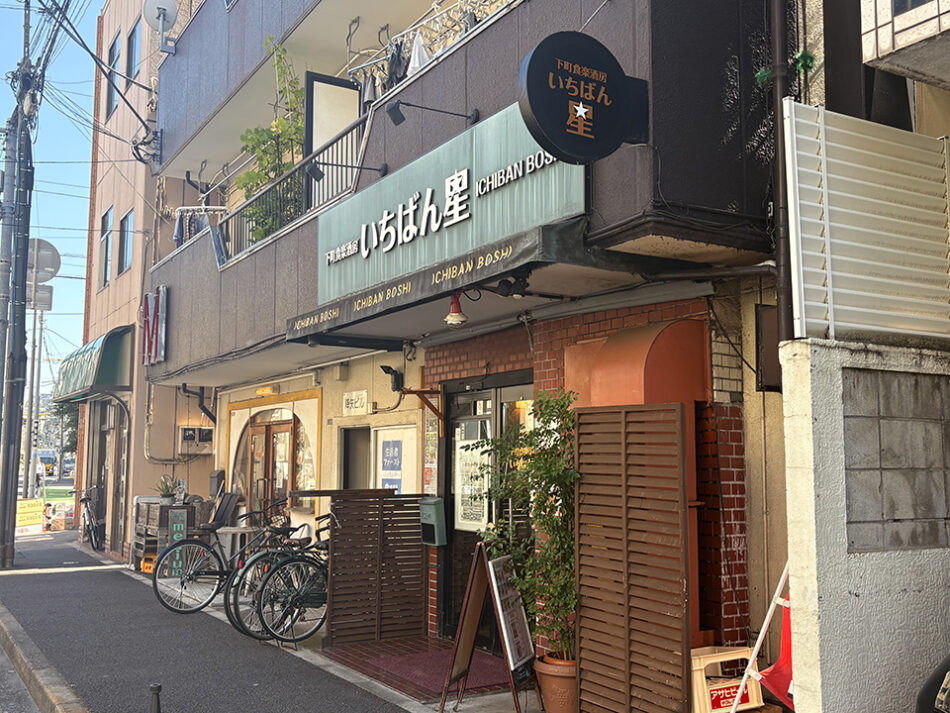
▲Since opening in 1999, Shitamachi Shokuraku Shubō Ichibanboshi has remained beloved by the local community
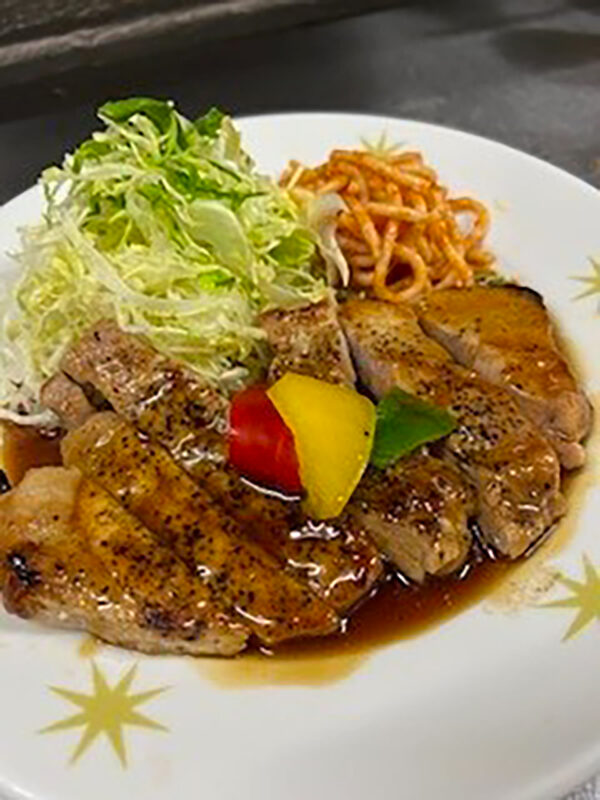
▲Traditional Western-style pork sauté, available at lunchtime (Photo courtesy of the restaurant)
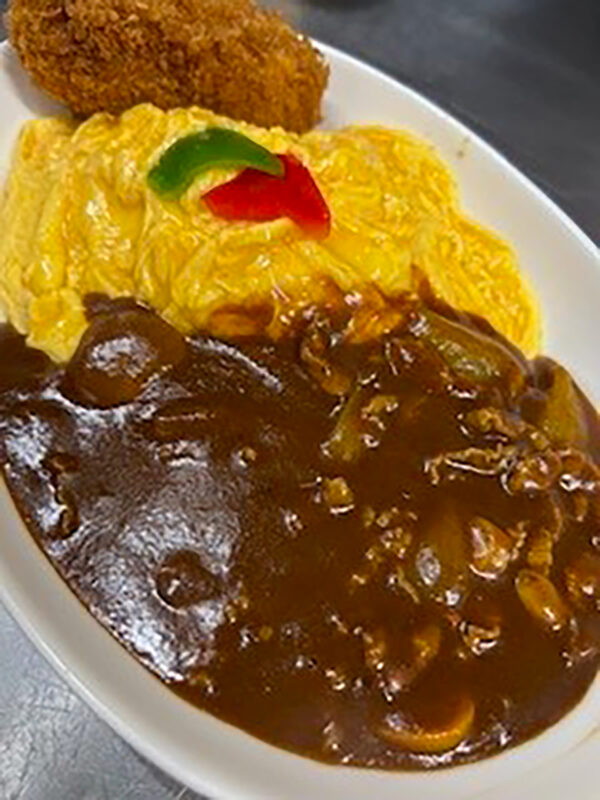
▲Omurice with hayashi sauce and potato salad croquettes. Traditional Western-style dishes brighten up the lunchtime menu (Photo courtesy of the restaurant)
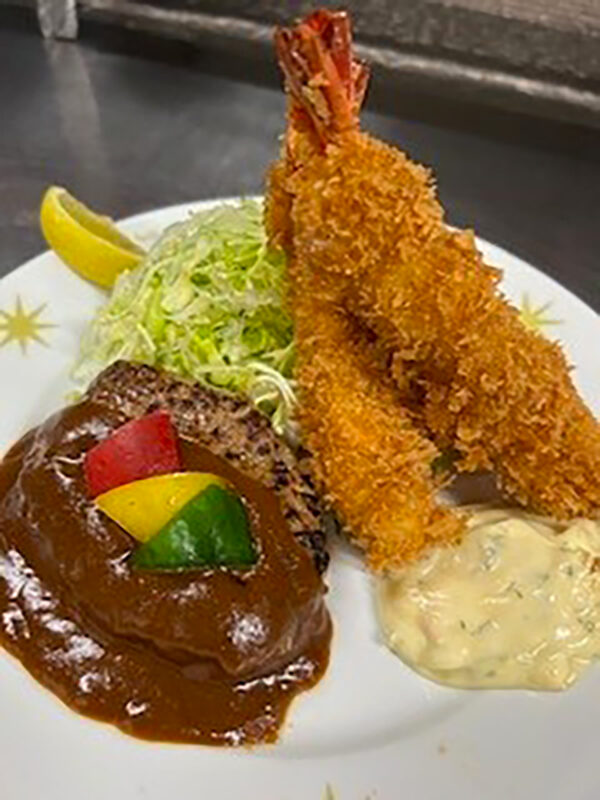
▲Hamburger steak & fried shrimp. A classic Western-style combination that is sure to make you smile (Photo courtesy of the restaurant)
From Regular Customers to Restaurant Owners: The Couple Who Took Over the Evening Service
The biggest change since our previous interview is the evening service.
Since November 2025, the evening service has been run by the Kanekos.
In fact, both of them were originally regular customers.
Kaneko-san, who has always enjoyed cooking, had often asked Miyazaki-san questions such as:
“How do you make this?”
“What do you do with this?”
After years of these conversations, Miyazaki-san eventually approached them.
“Would you like to run the evening service?”
The Miyazakis had also grown older and wanted to concentrate on the daytime service from then on.
Their wishes coincided with the Kanekos’ love of cooking, and so a new chapter of evening service began.
Of course, once Miyazaki-san entrusted them with the cooking, he was not about to compromise when it came to taste.
Drawing on his years of experience, he taught them how to prepare the dishes, and he would actually taste the food they made to make sure the flavors were right.
In the end, Kaneko-san says with a laugh:
“I was given a little bit of a passing grade.”
It sounds almost like a graduation exam for a longtime regular customer.
For Miyazaki-san, having someone he can trust with the flavors he and his wife have carefully preserved over the years is a great source of reassurance.
For the Kanekos, being entrusted with a restaurant they had visited for so many years is equally meaningful.
This is more than simply a change in who runs the evening service. It is a handover built on years of trust between people.
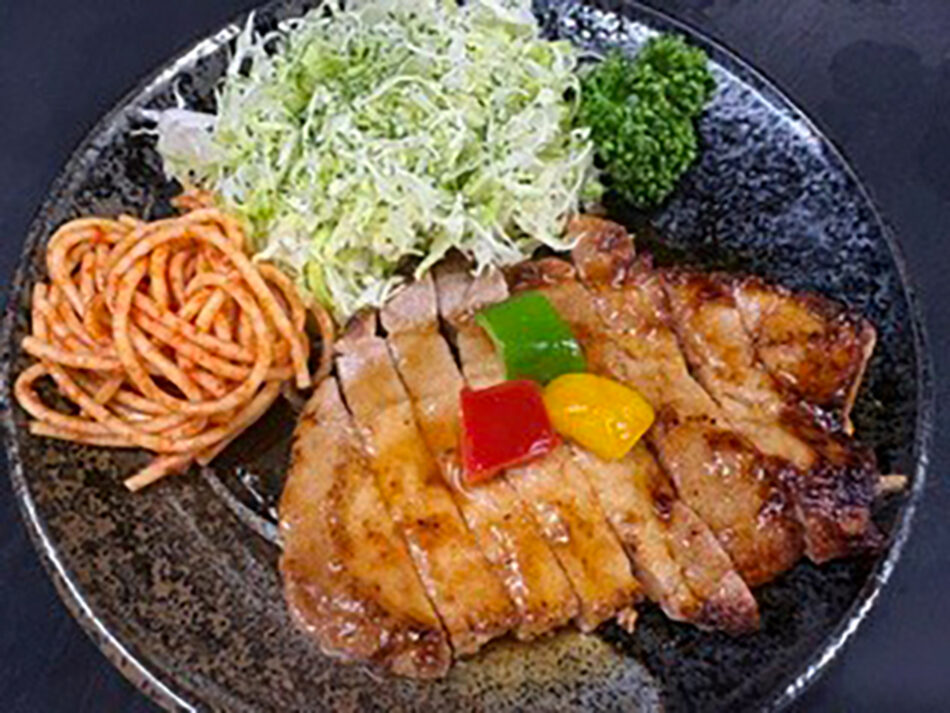
▲Popular pork sauté, cut a little thicker for the evening service (Photo courtesy of the restaurant)
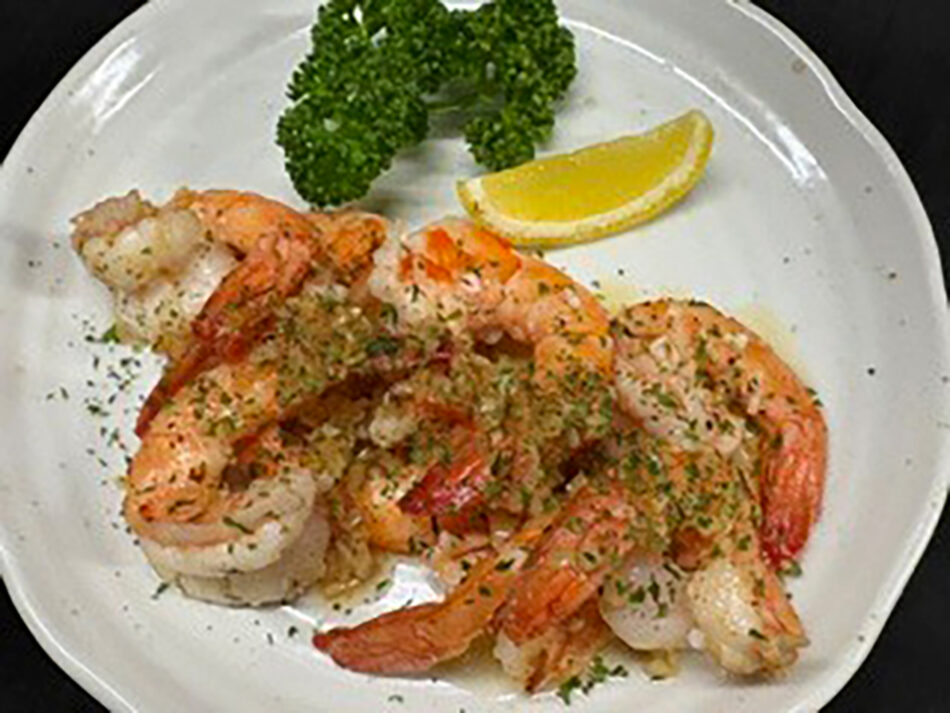
▲Garlic shrimp, a popular evening dish with an appetizing, fragrant flavor (Photo courtesy of the restaurant)
In the Evening, Another Side of the Restaurant Emerges
In the evening, Shitamachi Shokuraku Shubō Ichibanboshi has a slightly different atmosphere from lunchtime.
The main dishes include thick-cut pork sauté and garlic shrimp.
There are also snacks and fried dishes. Some customers come to enjoy a drink, while others simply come for dinner, as they would at a casual diner.
“It’s an izakaya, but some people come just to have a meal,” they tell us.
That unpretentious atmosphere is part of the restaurant’s charm.
A person stopping in for a drink after work.
Someone sitting down for a proper dinner.
Friends getting together for an evening out.
The restaurant can accommodate groups of around 25 people, making it suitable for casual gatherings and parties as well.
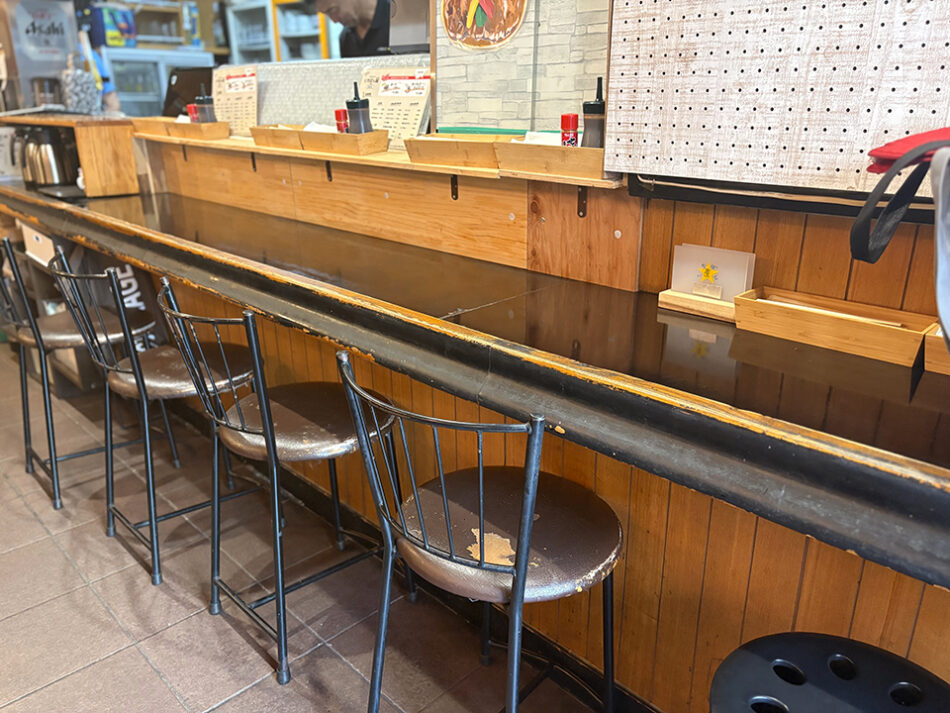
▲Counter seats where you can easily stop by even on your own
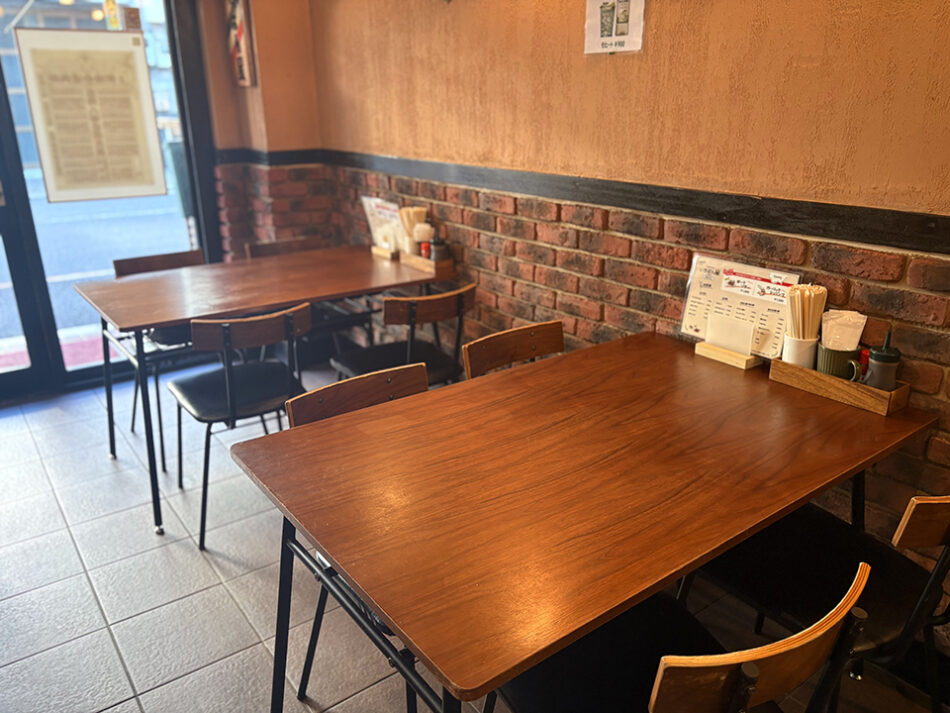
▲Table seats right by the entrance, perfect for meals with family or friends
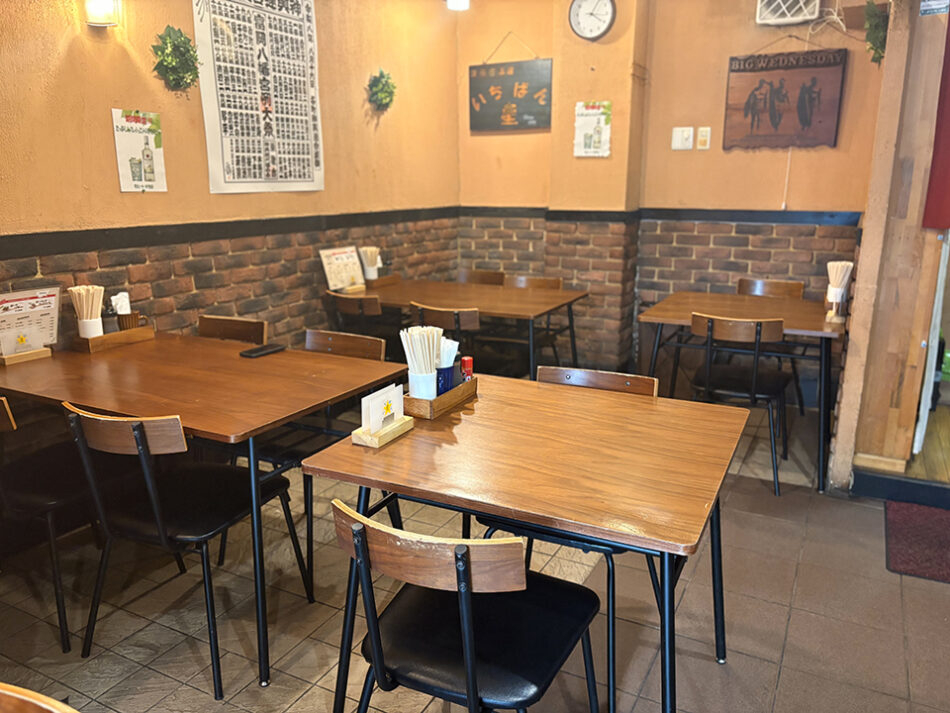
▲Table seats at the back of the restaurant, where you can relax and enjoy your meal
“I Wonder What They’ll Have Today”
The appeal of the evening service is not limited to the regular menu.
Seasonal dishes that change depending on what is available that day are also popular.
Corn in summer.
Daikon radish and oden in winter.
Sometimes, even tempura made with Japanese parsley leaves makes an appearance.
“What shall I make today?”
Ideas like these from Kaneko-san become dishes available for that day.
Recently, keema curry has also made a comeback.
There may also be daily specials such as ham or squid fritters.
“We put things in and take them out little by little,” Kaneko-san says with a laugh.
There is something joyful about the way they talk about it.
Going to the restaurant and asking, “What do you recommend today?”
That kind of old-fashioned pleasure may be becoming increasingly rare.
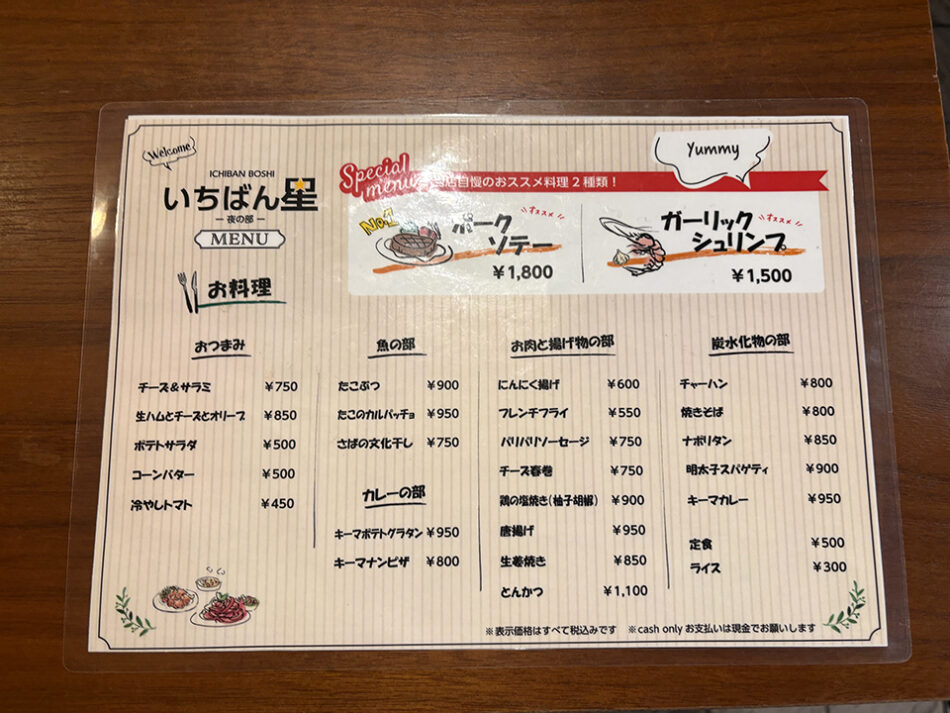
▲A selection of dishes to enjoy with drinks or as a proper evening meal
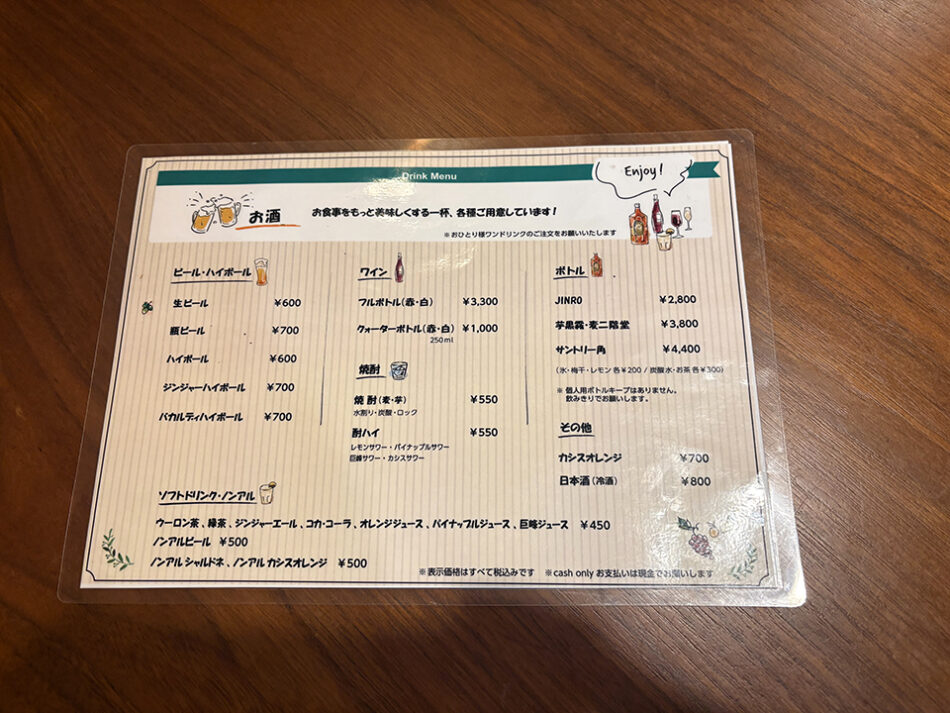
▲Choose your favorite drink to enjoy alongside a selection of dishes
“This Person Doesn’t Like Tomatoes”
At a restaurant that has been around for many years, there are reasons to come back that go beyond the food.
One thing that particularly stayed with us during the interview was the way they talked about their customers’ preferences.
“This person doesn’t like tomatoes.”
“This person can’t eat onions.”
“This person loves Japanese parsley.”
They remember not only the flavors their customers enjoy, but also the individual preferences of each person.
When a customer comes back, they leave out the ingredients that person dislikes.
If there is something they particularly like, perhaps they add a little extra.
It is nice enough when a restaurant remembers your name. But having someone remember what you ate before—or what you cannot eat—is something even more special.
These small acts of consideration are perhaps what have created such a loyal following over the years.
An article featured in Kotomise in 2015 described the experience as feeling like “having a meal in another home.”
More than ten years later, that atmosphere has not changed.
In fact, listening to the stories during this interview, we felt that we understood the meaning of those words a little better.
People do not come here simply to eat.
It is a place where you might think, “I want to go see that person.”
That, too, may be one of the great charms of Shitamachi Shokuraku Shubō Ichibanboshi.
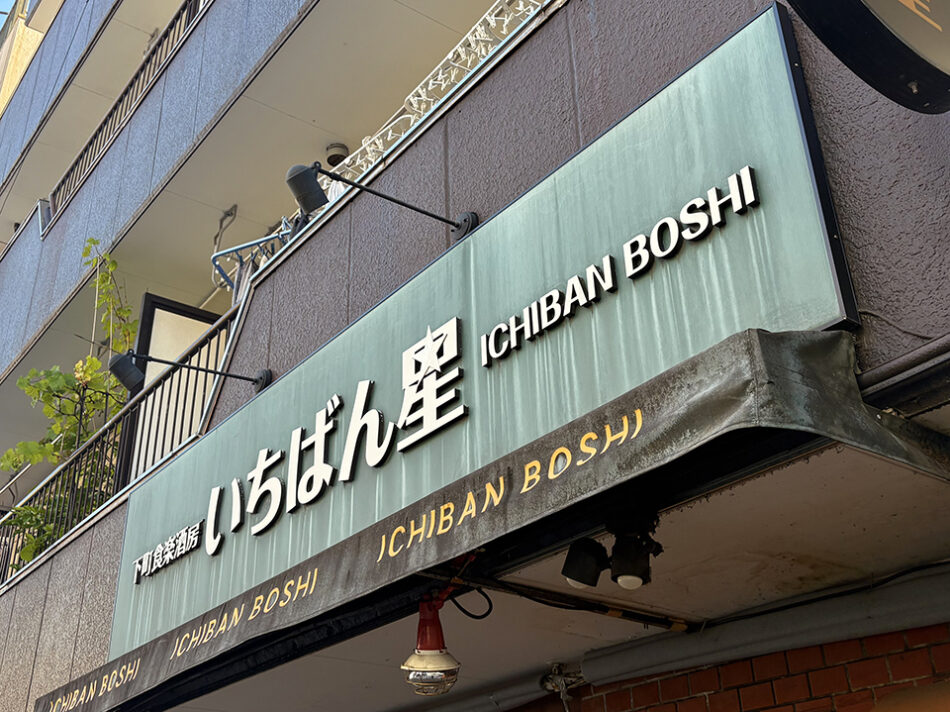
▲This sign is the landmark for Shitamachi Shokuraku Shubō Ichibanboshi
A Restaurant That Stays While the Neighborhood Changes
During this interview, we talked about old Kiyosumi-Shirakawa just as much as we talked about food.
Today, the neighborhood is filled with cafés and bakeries and attracts visitors from both Japan and abroad.
But we were told that Kiyosumi-Shirakawa in the past had a very different atmosphere from the one we see today.
The subway station opened, transportation became more convenient, and new businesses gradually began to appear.
There is, of course, nothing wrong with a neighborhood changing.
But as new shops open, some of the businesses that have been there for generations inevitably disappear.
That is why the continued presence of a restaurant like Shitamachi Shokuraku Shubō Ichibanboshi matters.
People who connect through local festivals.
People who visit neighboring businesses.
Longtime regular customers.
And people who naturally strike up a conversation even with someone visiting for the first time.
During our interview, the neighborhood’s charm was described this way:
“There’s something about the area where people can’t help but go out of their way for others—almost to the point of being a little too caring.”
That slightly meddlesome, old-fashioned sense of human warmth may be something that is becoming less common in today’s cities.
Even as new things appear, there is no need for everything from the past to disappear.
Shitamachi Shokuraku Shubō Ichibanboshi continues to open its doors each day, watching the neighborhood change around it.
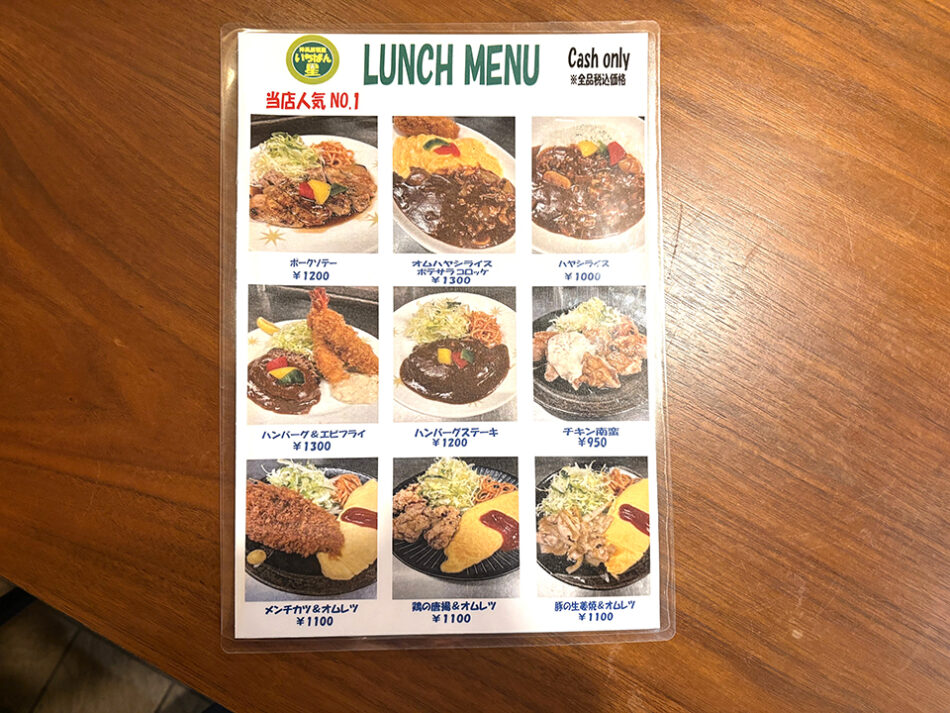
▲The lunchtime menu is filled with traditional Western-style dishes, making it fun to decide what to order
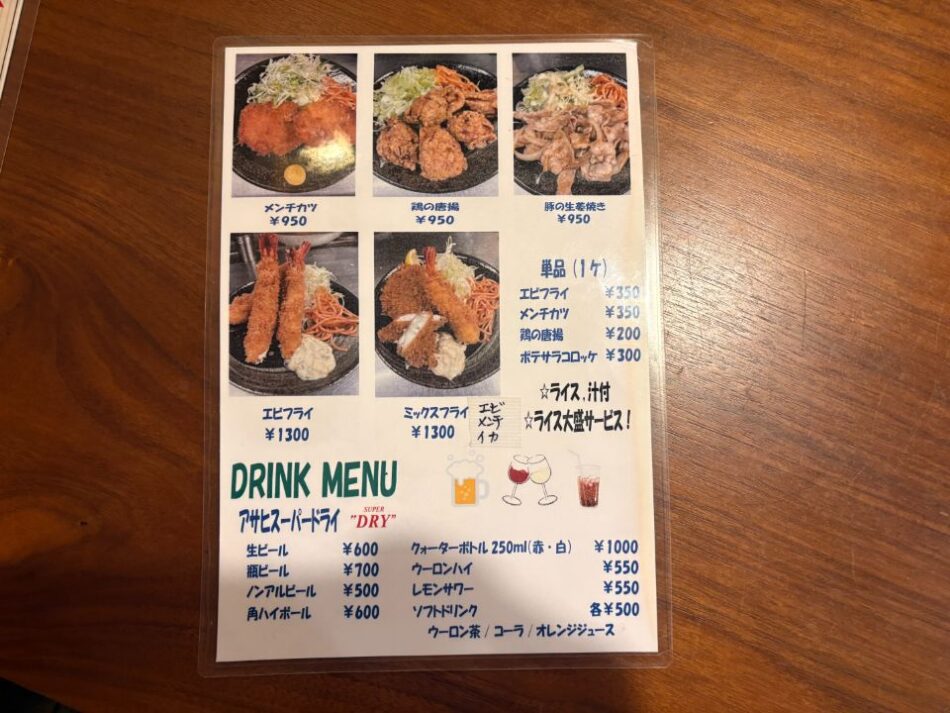
▲The rest of the lunchtime menu. There are also plenty of drinks to choose from
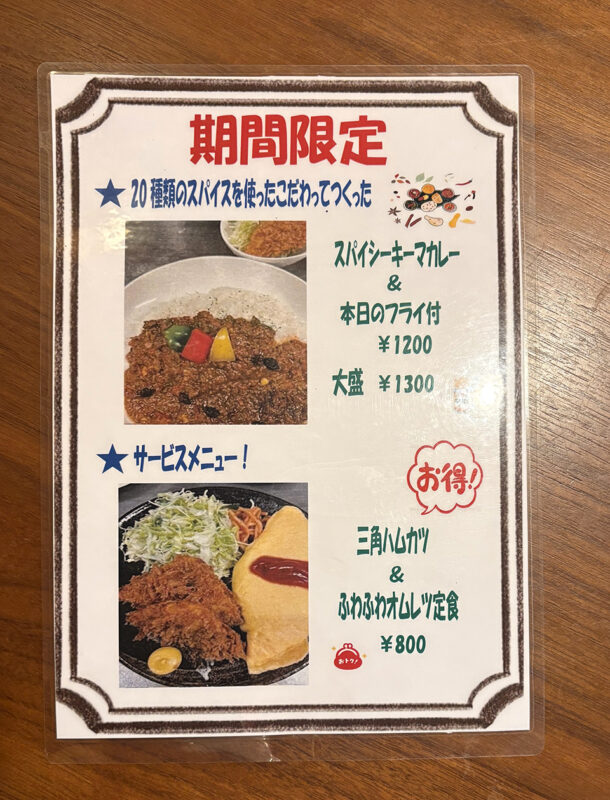
▲Alongside the regular Western-style dishes, there are also limited-time offerings such as Spicy Keema Curry and Triangle Ham Cutlet & Fluffy Omelet Set Meal
The Hardest Thing Is Keeping Things the Same
“What kind of restaurant would you like this to be in the future?”
When we asked that question, the answer was surprisingly simple.
“Just like this, without changing.”
New dishes are developed.
The evening service is entrusted to new people.
The way the restaurant operates gradually changes.
And yet, the taste remains the same.
“Keeping things the same is the hardest thing.”
Preparing the ingredients every day.
Cooking the food.
Serving the same familiar flavors.
And welcoming customers.
Doing that year after year, decade after decade.
To make sure no customer ever says, “The taste has changed,” requires countless small efforts every day.
The flavors that the Miyazakis have protected for so many years are now being passed on to the Kanekos.
To keep things from changing, sometimes you have to change a little.
It may seem contradictory at first, but perhaps that is exactly what a restaurant needs in order to keep going for many years.
Shitamachi Shokuraku Shubō Ichibanboshi has continued since 1999.
Its light is now being passed on to new hands, quietly continuing to shine in the same familiar place.
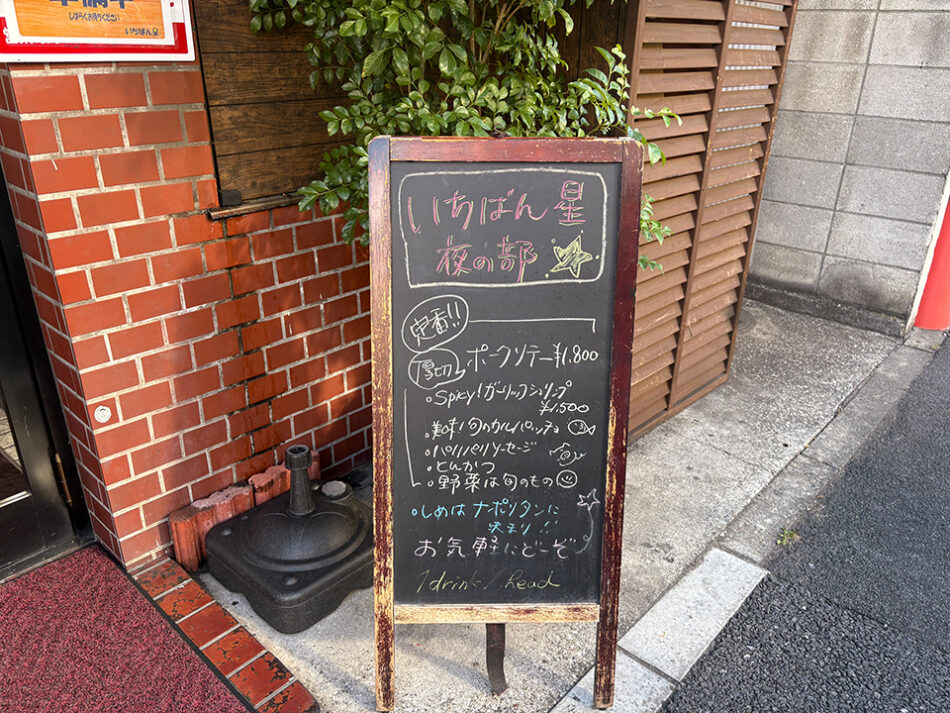
▲A freestanding sign outside the restaurant displaying the evening menu
Day or Night: “Let’s Eat Here Today”
At lunchtime, enjoy the pork sauté, omurice with hayashi sauce or fried shrimp.
In the evening, enjoy a drink alongside thick-cut pork sauté.
You may also discover a dish made with seasonal vegetables that is available only that day.
Whether you are on your own, with family or with friends.
A place where you can walk in without any fuss and think, “Let’s eat here today.”
That is Shitamachi Shokuraku Shubō Ichibanboshi.
Kiyosumi-Shirakawa continues to change, with new shops appearing and the streetscape evolving.
Amid all of this change, traditional Western-style cuisine remains.
And now, those familiar flavors are gradually being passed on to a new generation.
Day or night, there is no need to be formal.
Why not visit Shitamachi Shokuraku Shubō Ichibanboshi and enjoy traditional Western-style cuisine together with the warmth of its people?
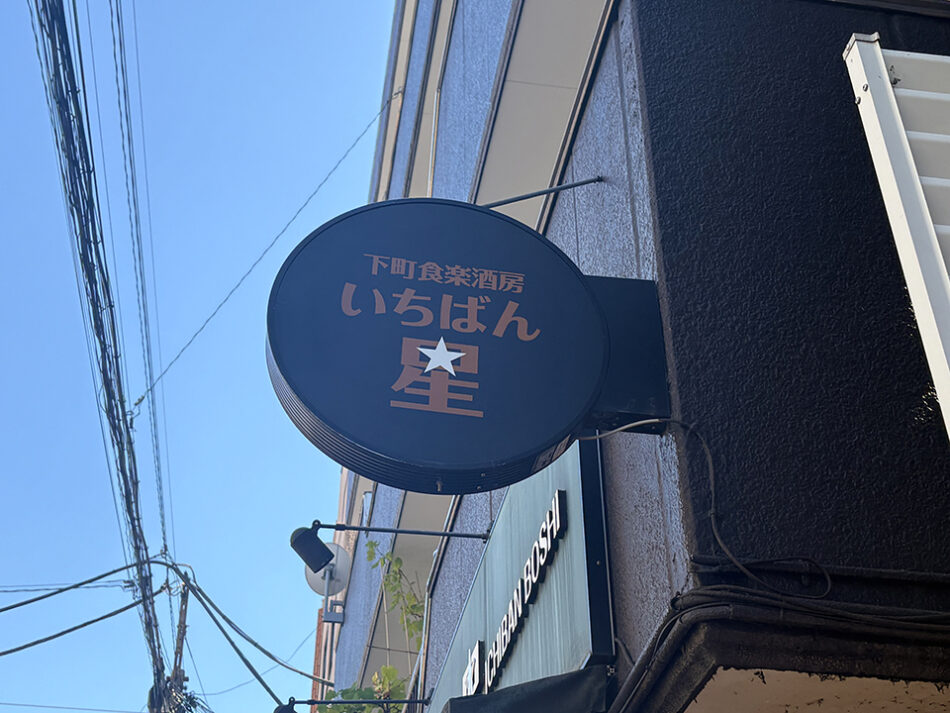
▲A small sign that quietly catches the eye beside the large restaurant sign
After the Interview
This was an interview filled with laughter from beginning to end.
We would be talking about food, and before we knew it, the conversation had moved on to stories about old Kiyosumi-Shirakawa, followed by stories about drinks and everyday life.
At times, I found myself thinking, “Can an interview really wander this far?”
We were told so many different stories, and I think that was because talking with the Miyazakis and the Kanekos felt so natural and enjoyable.
And amid all the laughter, one phrase in particular stayed with me:
“Keeping things the same is the hardest thing.”
Perhaps in an age when new things are constantly appearing, there is even greater value in continuing something for many years.
With the evening service now being taken over by the Kanekos, the restaurant has changed a little.
But behind that change is the trust built over many years by the Miyazakis.
Remembering customers’ likes and dislikes.
Visiting neighboring businesses.
Caring about others, perhaps even a little more than necessary.
All these small things seem to have accumulated over time to create the place known as Shitamachi Shokuraku Shubō Ichibanboshi.
On my way home after the interview, I suddenly realized I was hungry.
Should I go for the lunchtime pork sauté, or the thick-cut evening version?
So I have a feeling I may find myself stopping by again someday—perhaps using “another interview” as my excuse.
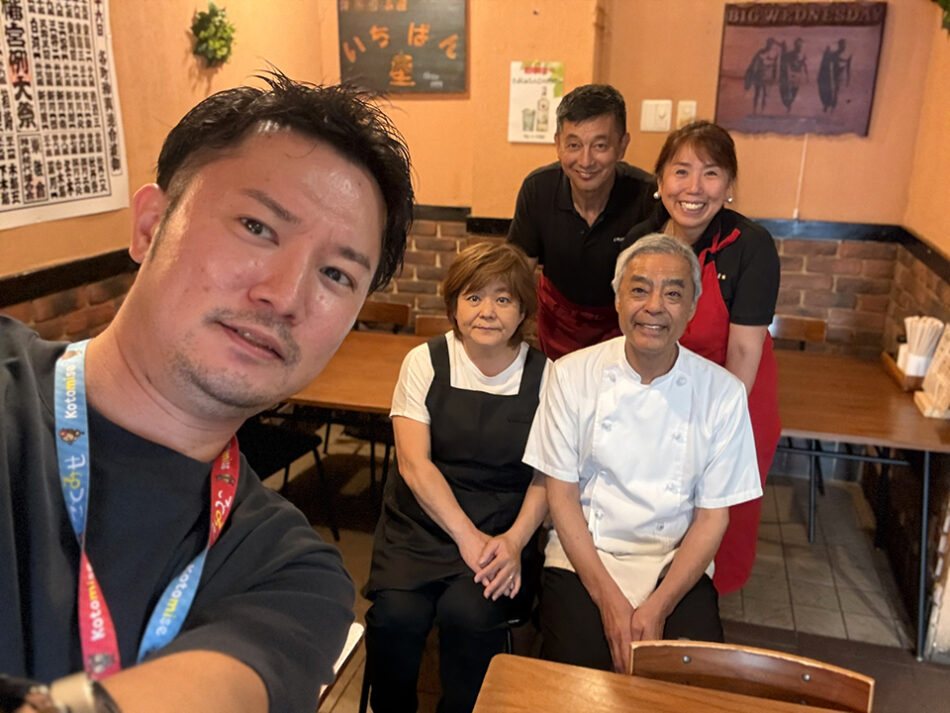
▲A commemorative photo with the Miyazakis and the Kanekos after our laughter-filled third interview
※Information is based on July 2026. Prices, operating hours, and other details may change. Please verify with the store directly.
※All amounts mentioned in the article are inclusive of taxes.
