
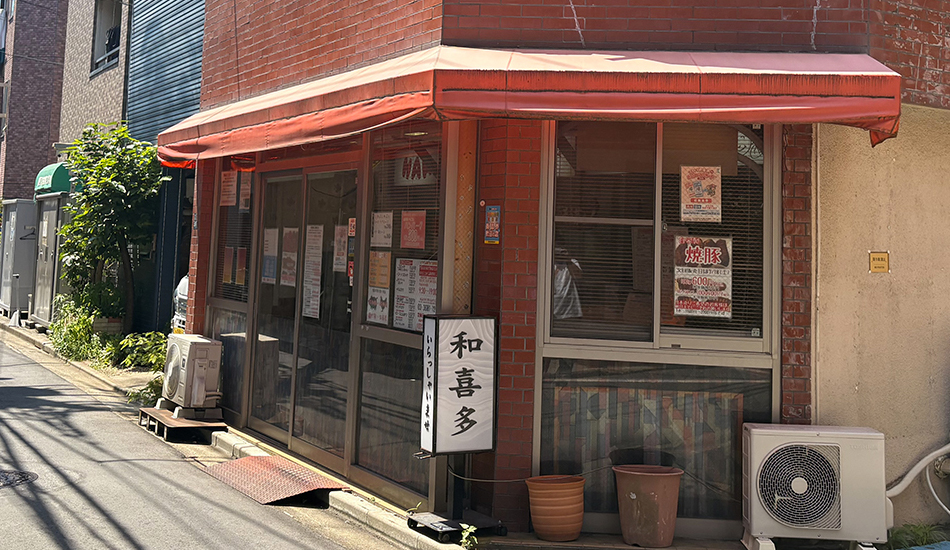
Revisiting Niku no Wakita
Published: October 28, 2026
※For this article, we conducted a follow-up interview and will focus on new initiatives and changes that have taken place since our previous coverage.
※Prices are subject to change from those in effect at the time of the interview. Please contact the store directly for the latest information.
A Changing Neighborhood, an Enduring Commitment: A Local Butcher Rooted in Its Community
Walking through the residential streets of Oshima, you occasionally come across the kind of shop that feels like it has always been part of the neighborhood.
This time, we returned to Niku no Wakita, a local butcher shop that has been serving the community for more than 50 years. When we last visited, we highlighted the shop’s dedication to carefully selected Japanese meats and the appeal of its homemade deli specialties.
Several years have passed since then.
Prices have risen, lifestyles have changed, and the neighborhood itself continues to evolve. So how has Niku no Wakita adapted to these changes? And what remains unchanged?
To find out, we sat down with Mr. Wakita and took another look at a shop that continues to play an important role in everyday life for local families.
What’s Changed? First, the Opening Hours and Closing Days
One of the first things we asked about during our visit was the shop’s current operating schedule.
Niku no Wakita is now closed on Sundays and Mondays.
While public holidays were once regular closing days as well, the shop now remains open on holidays that fall outside its usual Sunday and Monday closures.
Business hours have also changed and are now:
9:30 a.m. to 7:00 p.m.
“We’re basically only closed on Sundays and Mondays now,” says Mr. Wakita.
For longtime customers, that may be more important information than it sounds. If it’s been a while since your last visit, it’s something worth keeping in mind.
The changes, however, go beyond business hours.
The selection on display has evolved over the years as well. While the shop once carried beef, its focus today is on:
Carefully selected Japanese pork and chicken.
“These days, pork and chicken are our main products.”
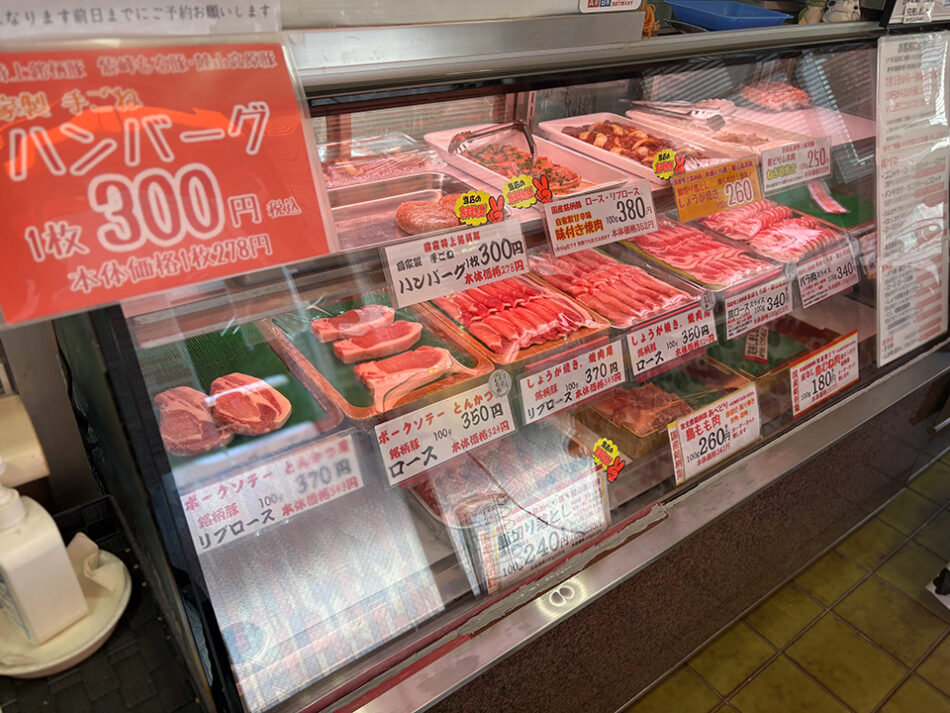
As we looked over the display case while talking with Mr. Wakita, it became clear that the shop has shifted away from offering a little bit of everything. Instead, it now focuses on offering the products it believes in most.
▲Niku no Wakita has been serving local families for decades. Inside, customers can find carefully selected Japanese meats and homemade deli specialties.
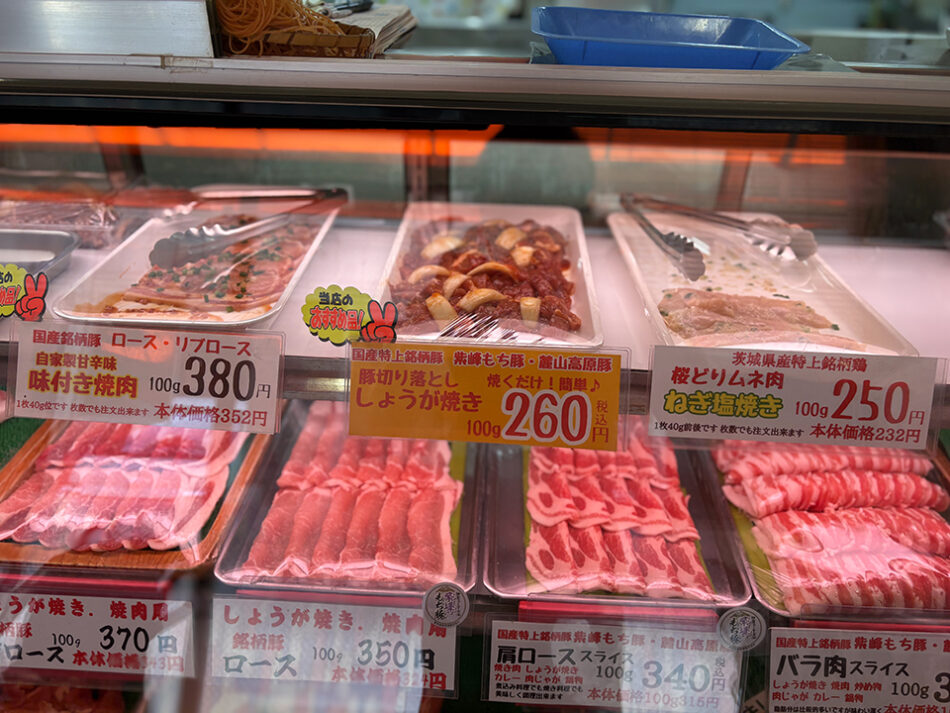
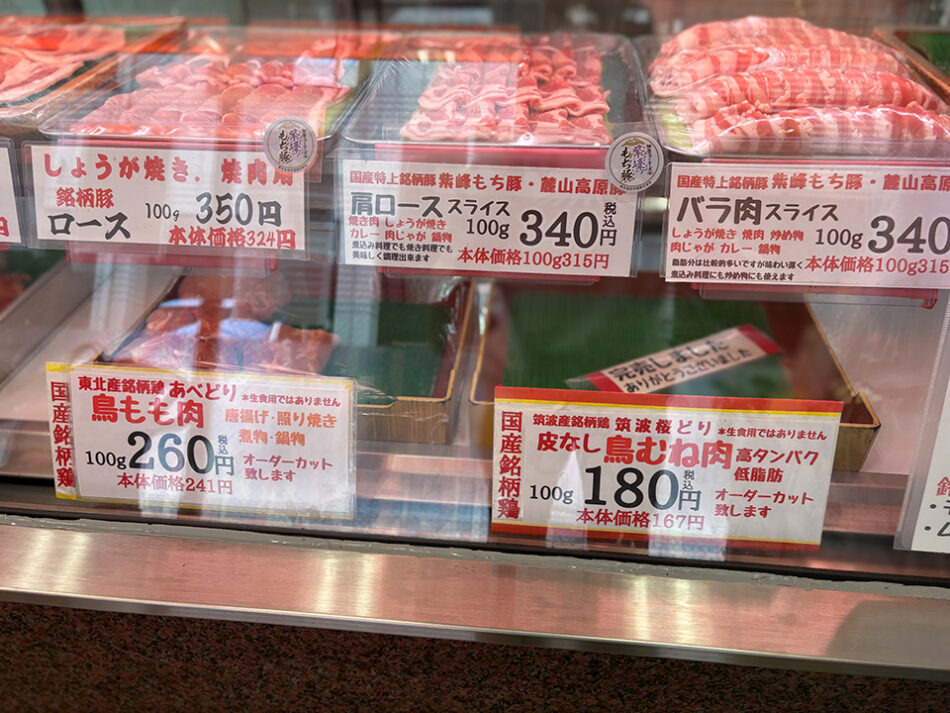
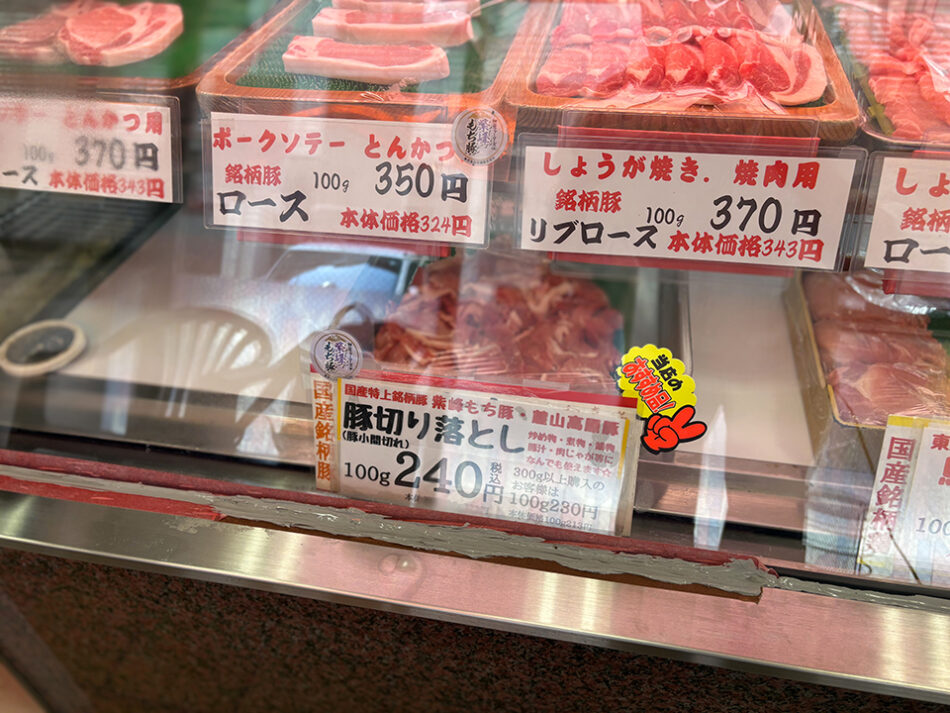
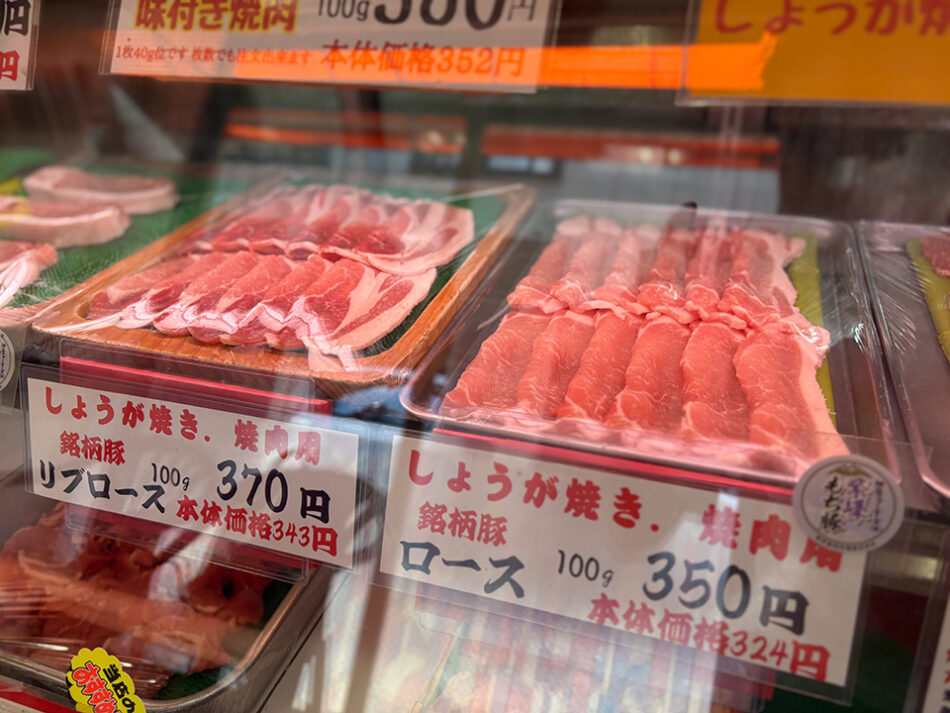
△The showcase features a carefully curated selection of meats, centered around premium Japanese pork.
A Commitment to Flavor You Can’t See
One of the most memorable parts of our conversation was about something many customers may never notice: the oil used for the shop’s fried foods.
Today, all fried foods at Niku no Wakita are prepared using canola oil produced in Japan.
Many butcher shops use lard, so we asked why Niku no Wakita chooses canola oil instead.
“When customers take food home, you never know exactly when they’re going to eat it,” says Mr. Wakita.
While lard can be particularly appealing when food is freshly fried, canola oil retains a cleaner aroma and lighter taste over time, making it easier to enjoy later.
That perspective says a lot about the shop’s approach.
For Niku no Wakita, fried foods are not judged only by the moment they leave the fryer. The experience continues at home, gathered around the dinner table with family.
It’s a small detail that customers may never notice directly, but perhaps that’s exactly the kind of thoughtful consideration that has earned the shop the trust of the community for so many years.
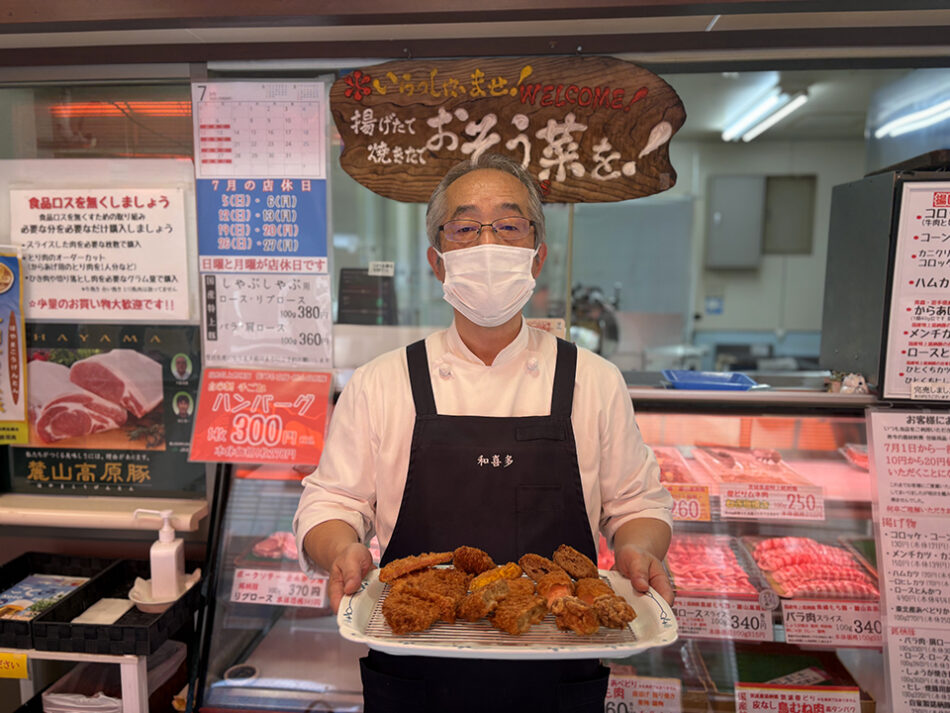
▲Holding some of the shop’s popular croquettes and menchi-katsu, Mr. Wakita shares his commitment to quality deli foods.
The Most Popular Items? Some Classics Never Change
So what are the shop’s most popular products today?
The answer was both unsurprising and completely understandable:
Croquettes, menchi-katsu (Japanese minced-meat cutlets), and homemade Japanese-style hamburger steaks.
All three are longtime favorites that many people associate with traditional neighborhood butcher shops.
The hamburger steaks are especially interesting. They are not made using meat purchased specifically for that purpose. Instead, the shop uses portions left over from trimming the premium pork sold in the shop, making effective use of meat that might otherwise go to waste.
In other words, each hamburger steak is packed with the same quality and flavor found in the meat displayed in the showcase.
It’s easy to see why they remain so popular.
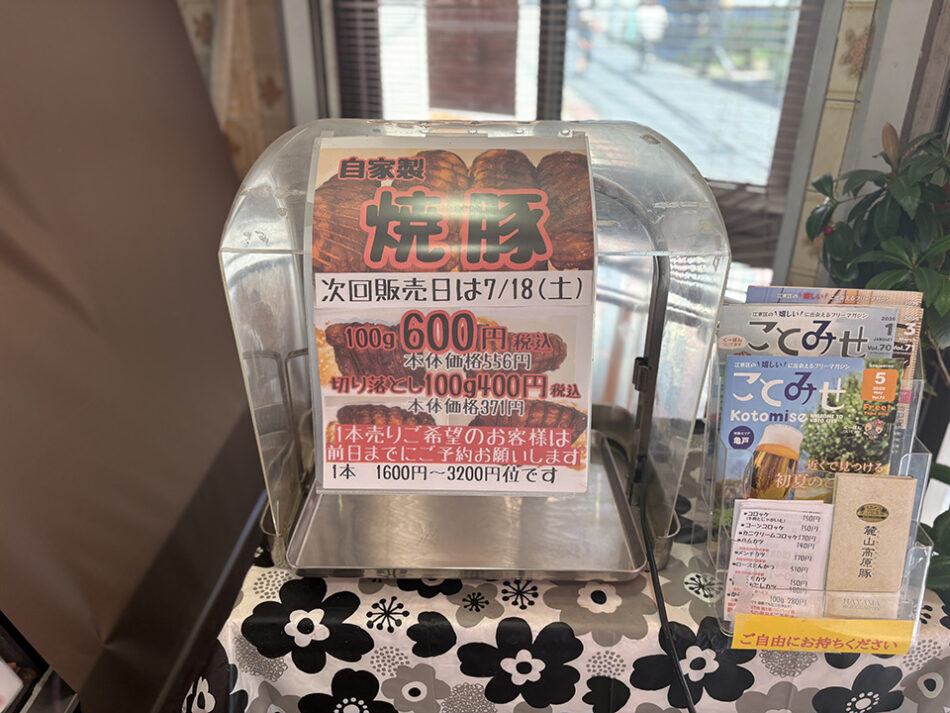
The shop’s homemade roast pork is another customer favorite that has stood the test of time.
Sold every other Saturday, it attracts a loyal following. Around the year-end holiday season, approximately 100 whole pieces are sold.
“We have customers who reserve theirs every year.”
It’s the kind of story that immediately brings to mind the familiar faces of longtime regulars.
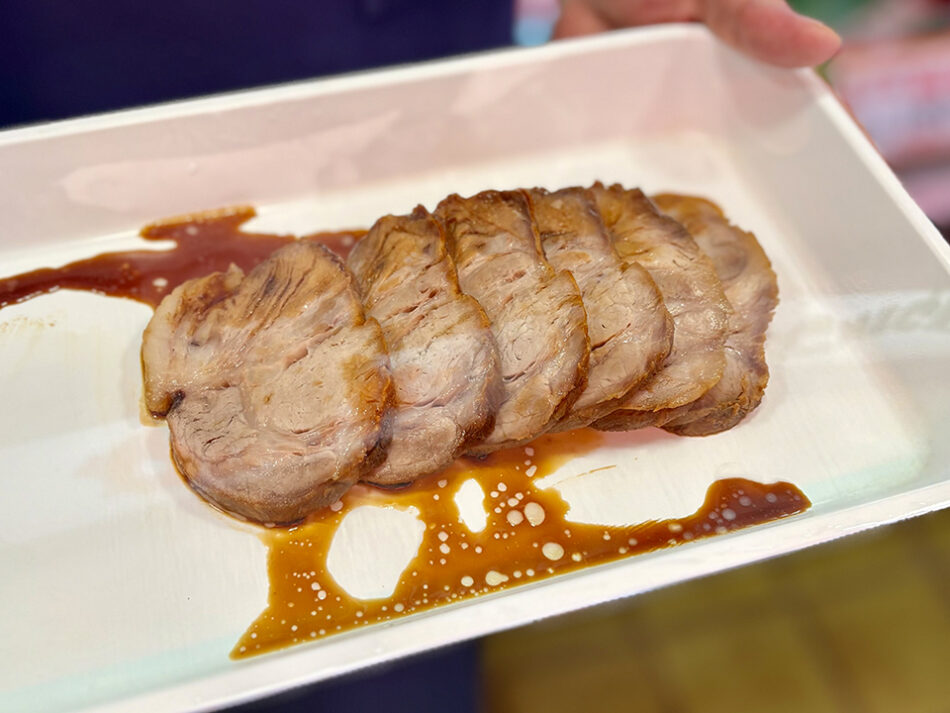
▲Carefully roasted homemade pork, sure to whet your appetite.
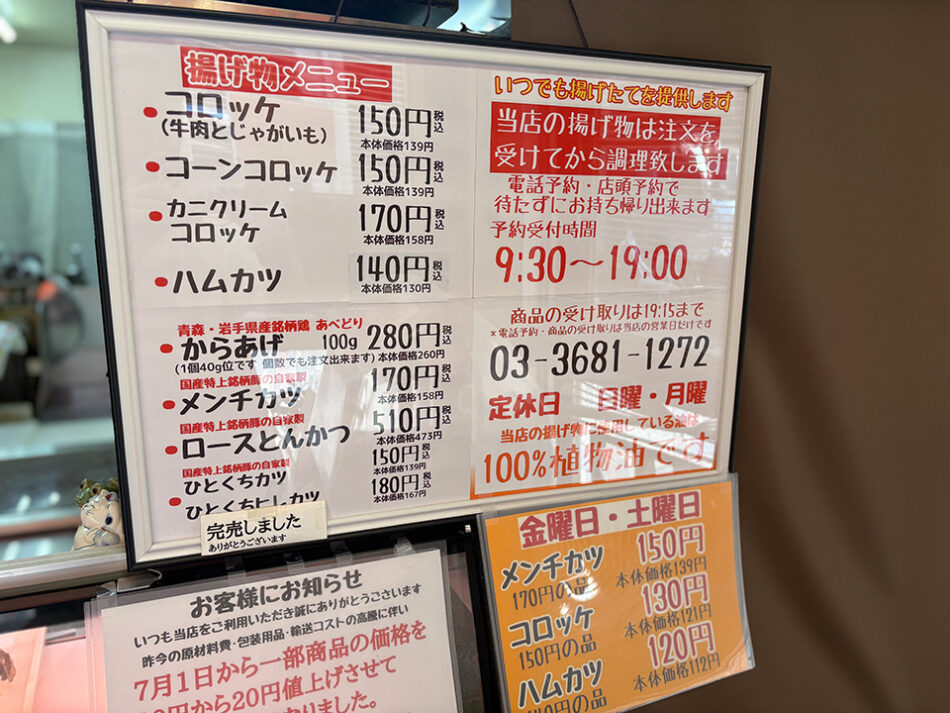
▲The deli menu displayed inside the shop. Customers can order by phone and pick up their food freshly prepared.
Even Though the Shopping Street Has Disappeared, the Connection with Customers Remains
As the interview continued, our conversation turned to memories of the neighborhood’s past.
Today, the street is lined primarily with houses, but it was once a lively shopping district filled with greengrocers, bakeries, fishmongers, and other independently run businesses.
“It used to be a shopping street,” recalls Mr. Wakita.
But as times changed, so did the neighborhood.
Convenience stores arrived. Supermarkets expanded. Larger retailers became increasingly common.
Little by little, many traditional shops disappeared.
“It’s sad, but that’s just the way things are,” says Mr. Wakita.
What stood out most, however, was what he said next.
“We still have new customers who discover us.”
Alongside longtime regulars, the shop continues to welcome people who find it through local articles, recommendations, and word of mouth.
The neighborhood may look different today, but the connections between people remain remarkably strong.
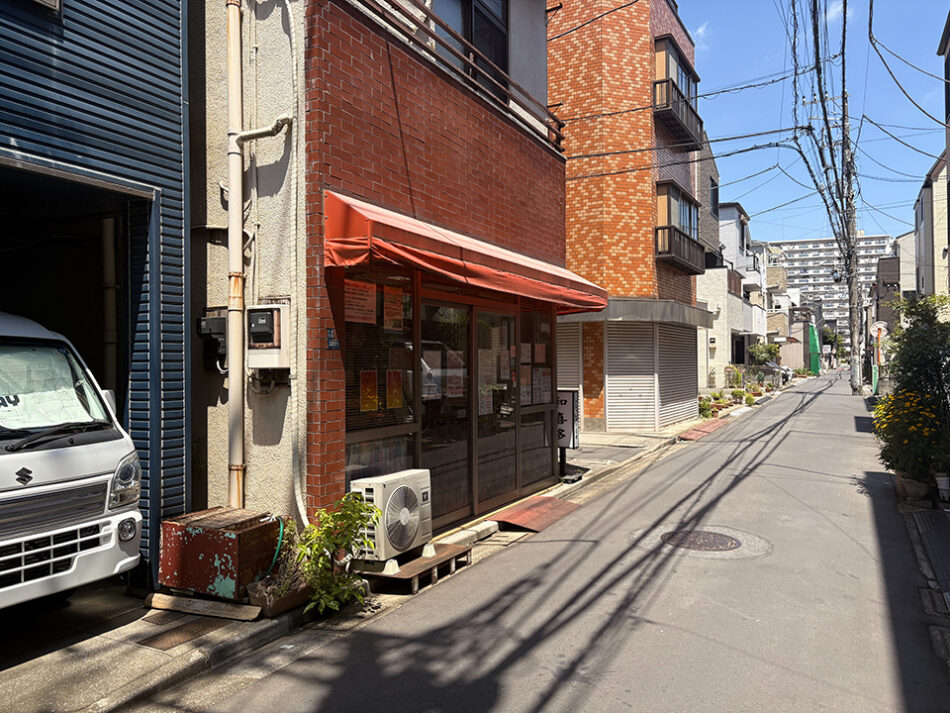
▲Niku no Wakita continues to serve customers from its corner of this residential neighborhood, serving local families one meal at a time.
Buy Only What You Need: The Value of a Specialty Shop
At most supermarkets, meat is sold in pre-packaged portions.
At Niku no Wakita, things work differently.
Whether you’re preparing:
- Ginger pork (shogayaki)
- Tonkatsu
- Sukiyaki
- Yakiniku
the staff will cut the meat according to how you plan to use it.
Customers are also welcome to make highly specific requests.
“I only need two slices.”
“Less than 100 grams is enough.”
The shop is happy to accommodate.
In fact, customers who live alone and elderly customers often request small quantities.
“Just a little chicken for mixed rice.”
Requests like these are not uncommon.
Buy only what you need.
Prepare only what is needed.
That philosophy not only offers greater convenience but also helps reduce food waste.
The same approach applies to the shop’s deli products, which are generally prepared after an order is placed.
This is one reason why phone orders are so popular.
Rather than making more food than necessary, the shop cooks to order and serves customers food at its freshest.
It’s a simple idea, but one that makes perfect sense.
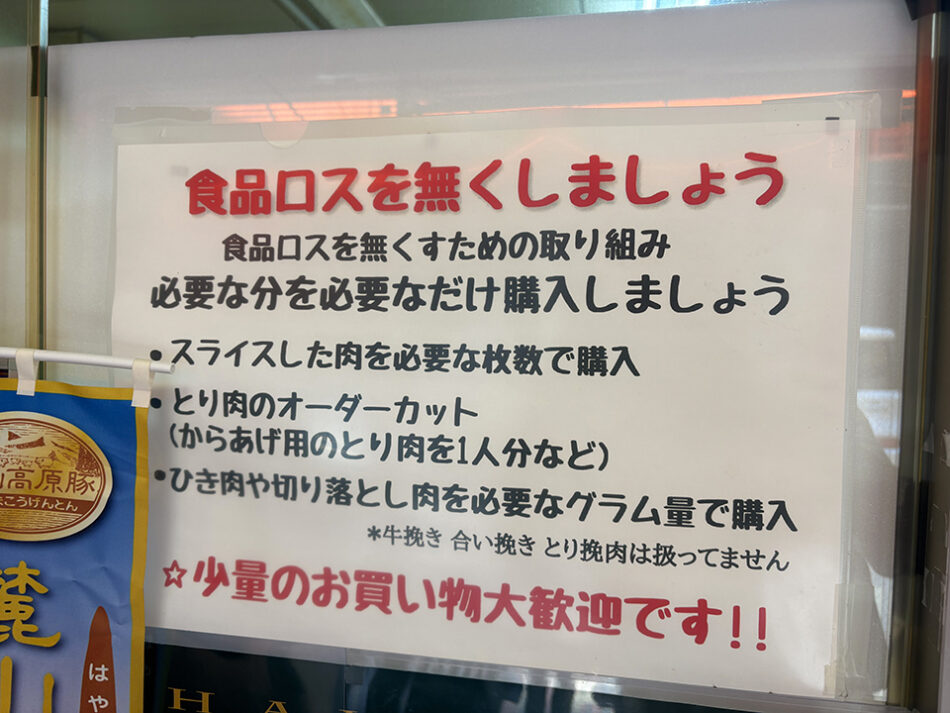
▲A sign inside the shop encourages efforts to reduce food waste. Preparing only what is needed helps minimize unnecessary waste.
An Unchanging Shop in a Changing Town
Some customers stop by to buy meat.
Others come looking for something to add to that evening’s dinner table.
Whatever brings them in, Niku no Wakita helps customers find exactly what they need.
Whether they are longtime regulars or people discovering the shop for the first time, the shop continues to serve the community day after day.
The neighborhood may change with the times, but the warmth of a business that remains deeply connected to its community endures.
That was the lasting impression we took away from this return visit.
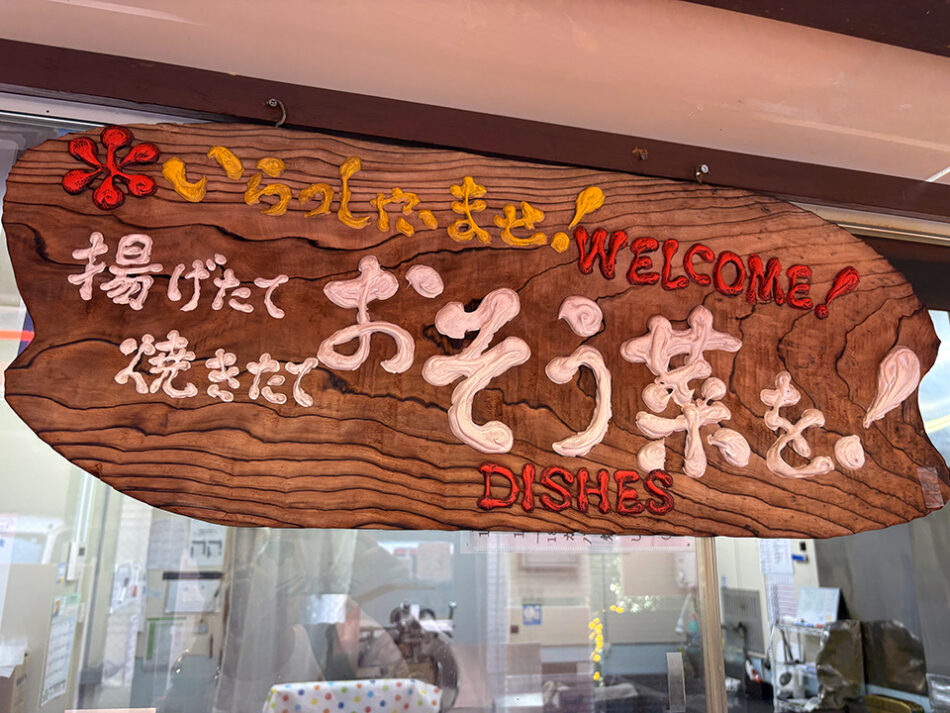
▲A welcome board inside the shop greets customers with a cheerful “Welcome!”
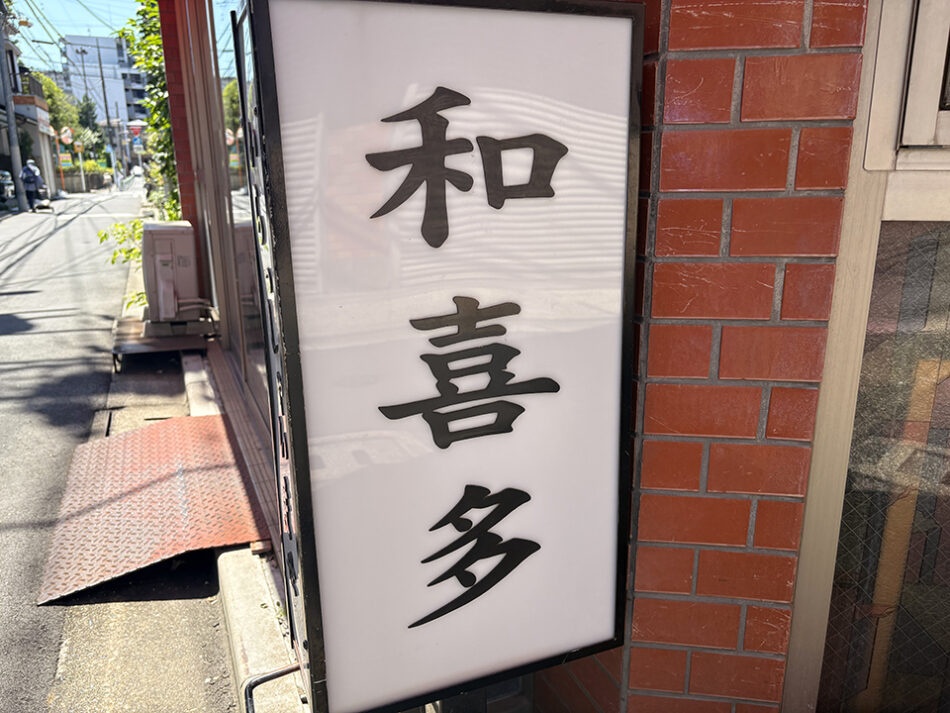
▲A freestanding sign outside the shop welcomes passersby throughout the day.
After the Interview
During this follow-up interview, our conversation naturally expanded beyond meat. Before long, we found ourselves discussing frying oils, freezing techniques, and a variety of other food-related topics.
What struck me most was the personalized service that only a neighborhood butcher can provide.
Customers can have meat cut specifically for dishes such as ginger pork or tonkatsu. They can purchase exactly the amount they need. Some deli items are even fried or prepared only after an order is placed.
These are the kinds of services that are difficult to find at a supermarket, and they are part of what makes Niku no Wakita special.
In fact, at the end of the interview, I considered buying some meat to take home. As I was about to buy some meat, Mr. Wakita asked how far I lived.
When I explained that I had come from some distance away, he replied:
“It’s quite hot today, so I wouldn’t really recommend it.”
To be honest, I was a little surprised.
But I could immediately tell that he was thinking about the condition of the meat and how long it would take before I got home.
Throughout the interview, I came away with the impression that his priority is not simply selling products, but making sure customers can enjoy them at their very best.
Perhaps that sincere approach is one of the reasons he has earned the trust of local residents for so many years.
Next time, I’ll be sure to bring an insulated cooler bag.
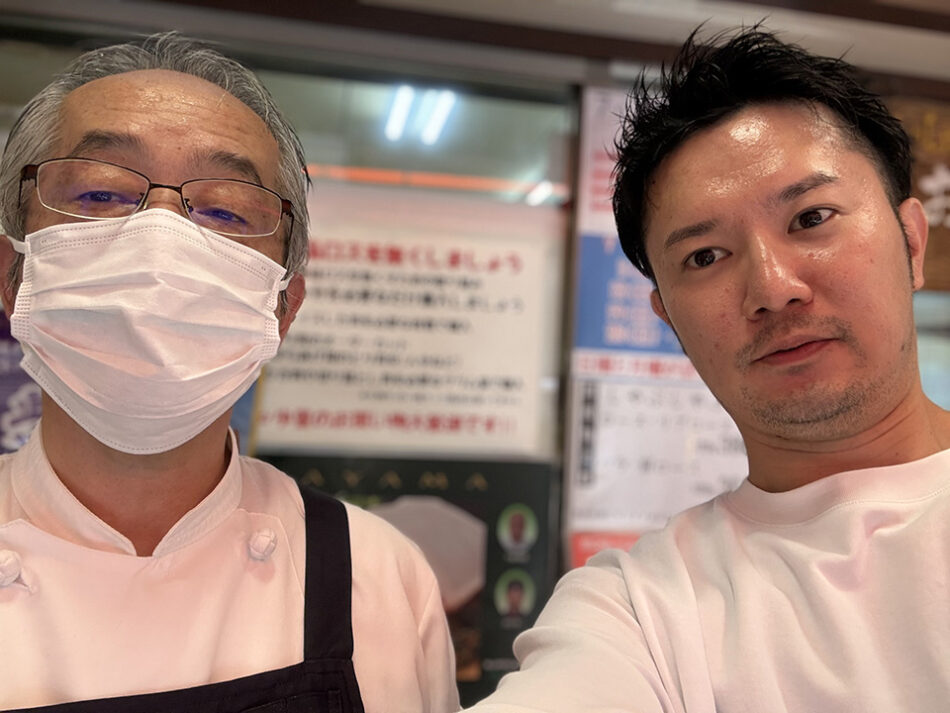
▲Mr. Wakita, who kindly spoke with us during this follow-up interview. Thank you very much for your time.
※Information is based on July 2026. Prices, operating hours, and other details may change. Please verify with the store directly.
※All amounts mentioned in the article are inclusive of taxes.
